
Are you losing iron, failing to absorb it, or having difficulty using it?
What does iron do?
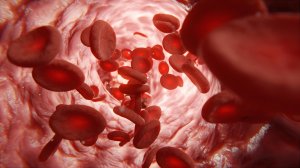
Iron helps make hemoglobin, the protein in red blood cells that carries oxygen from your lungs to the rest of your body.
Your lungs may work well, but if you do not have enough iron to make healthy red blood cells, your energy will drop. You can experience fatigue, cold, shortness of breath, headaches, and difficulty concentrating. At the office we’ve notice cold feet is reflects low iron. Keep in mind these symptoms can have many other causes.
A CBC does not tell the whole story
A Complete Blood Count, or CBC, measures red-blood-cell size, and an iron storing protein called hemoglobin. These results help, but they do not directly measure the amount of iron stored in your body.
Think of iron storage like a car’s gas tank:
- Hemoglobin represents the gas in the gas line.
- Ferritin represents the gas stored in the tank.
Ferritin (storage) often falls before the hemoglobin is low on the CBC blood test. This means someone can have depleted iron stores but the CBC will not show it.
Ferritin is my recommendation test as it reflects iron stores. Inflammation can affect this test and we do keep that in mind with testing. NIH Office of Dietary Supplements
How is iron absorbed?
Food contains two main types of iron:
- Heme iron comes mainly from meat, poultry, and seafood. It is generally absorbed more easily.
- Plant-based iron. You can find nonheme iron in plant foods, fortified foods, and many supplements.
Stomach acid helps release iron from food. Most iron absorption then takes place in the in the very beginning of the small intestine; duodenum and the first 10 inches of the small intestine.
Vitamin C can improve the absorption of non-heme iron, especially when it is eaten or taken at the same time. This is why we recommend vitamin C be taken with iron supplements and why the Perque Hematin has vitamin C in it
Why might iron run low?
There are three major possibilities:
- Iron is being lost
- Heavy or frequent menstrual bleeding
- Uterine fibroids or polyps
- Bleeding from the stomach or intestines
- Frequent blood donation
- Surgery, injury, or another source of blood loss
- Iron is not being absorbed well
- Celiac disease
- Crohn’s disease or other intestinal conditions
- Previous stomach or intestinal surgery
- Reduced stomach acid
- Certain medications
- Ongoing digestive problems
- The body is not receiving or using enough iron
- Low dietary intake
- Increased needs during pregnancy or growth
- Chronic inflammation – rheumatoid arthritis
- Kidney disease or other chronic illness
What we do.
Typically through talking we know the person has seen their medical doctor and has been tested to make sure it is not a fibroid or polyp.
Then it is a matter of going after the hormone, nervous, and immune system balance.
This requires looking at
Hormones: estrogens ,progesterone, thyroid.
Adrenal output of cortisol
Iron levels
Immune system burden from toxic metals, molds, chemicals
The goal
Reduce and stop inflammation if present.
Restore normal balance with the hormonal system.
Rebuild iron stores.
Call me, we’ll talk and find a solution.