
We got a question about repairing the gallbladder. This email is about how the gallbladder works, what it does, and 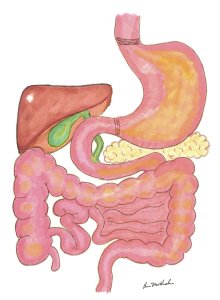 how to repair it.
The liver uses cholesterol to make bile. The gallbladder stores and concentrates bile, ensuring that a small amount released into the small intestine can effectively aid fat digestion. At this stage of digestion, fats exist as triglycerides. The objective is to break them down so they can be absorbed through the intestines. Triglycerides are also measured in a blood test called a lipid panel.
Bile is supposed to become concentrated. The concern arises when concentrated bile forms sludge or crystallizes into stones.
If the bile becomes too thick and forms sludge, normal gallbladder contractions may not move it effectively. This can lead to gallbladder spasms, causing symptoms ranging from mild discomfort to severe pain. If the gallbladder does not release enough bile, you may also experience poor digestion or a “blah” feeling after eating.
Some common reasons bile may thicken and interfere with digestion
- Bile remains in the gallbladder too long, which may occur when a person fasts too frequently or for extended periods.
- Extremely high cholesterol may lead to increased bile production.
- Insufficient hydrochloric acid and trypsin in the stomach may reduce stimulation of cholecystokinin (CCK), the peptide hormone that signals the gallbladder to release bile.
- Low stomach-acid production may cause poor protein digestion, resulting in inadequate production of cholecystokinin, the peptide hormone that stimulates the gallbladder.
- Progesterone also influences the release of bile. It allows the gallbladder muscle to relax after contracting so that bile can move out.
What to Do—and What Not to Do
Foods that may help thin bile
Consider eating one of these foods daily:
- Artichoke hearts added to a salad
- Beet tops—some health-food stores and Meijer grocery stores sell beets with the tops attached
- Apple products, including whole apples, applesauce, and apple juice; choose organic products when possible
What not to do
We do not want to force the gallbladder to spasm by consuming a very high-fat meal. A high fat intake may trigger a large release of cholecystokinin, causing the gallbladder to contract and potentially pushing a stone into the bile duct that empties into the small intestine. The stone could then become lodged in the duct.
Restoring Gallbladder Health
* Pay attention to belching or burping. Low hydrochloric acid may cause burping. The concern is the low hydrochloric acid and trypsin will result in a lower cholecystokinin leading to sludge formation.
* If you take medication for reflux, be aware that it may reduce hydrochloric-acid production. Speak with the doctor who prescribed the medication before making any changes
* Have your hormones evaluated. Low progesterone may be a source of trouble. Hormone testing here at the office.
*Avoid fatty cuts of meat and keep your fat intake reduced. Foods to limit while in repair include ground meat, sausage, nuts, and cow’s milk dairy products, such as cheese, milk, and ice cream.
* The gallbladder may be sensitive to food allergies leading to spasm. In our testing, cows-milk dairy is the most frequently identified food sensitivity.
Bennett Reflex Technique or Neuromuscular Dynamics
This is the reflex treatment where I have the patient lying on their back and one hand on the spine and the other over an organ. It helps improve blood flow to an organ. This is very effective in relieving a spasm and helping restore normal function. It gives us time to repair and restore.
I also have specific products for restoring gallbladder function that we use in conjunction with diet and the reflex technique.
If a gallbladder were a serious issue imaging and a second opinion by a specialist would be recommended.
Email me if you have questions.