
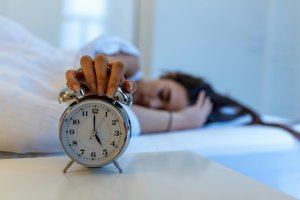
What Does the Time Change Do to Us?
Losing just one hour of sleep has a remarkable effect on your body’s rhythms.
You may have noticed the sunrise creeping earlier each morning. That’s a gradual shift your brain tracks, slowly nudging your sleep and wake cycle forward. Your internal clock has been quietly syncing your brain to the memorized day/night pattern since last November’s tine change.
Then, without warning, you’re suddenly asked to wake an hour before dawn. Your body has to race to catch up.
Here’s what happens:
* Your alertness drops. Traffic accidents run 6% higher than average the Sunday and Monday after the . spring time change.
* Your immune system takes a hit. The physical stress drains energy your body needs for immunity — and . natural killer white blood cells are slower to respond. Hello, spring cold.
* Your mood can suffer. Losing that morning sunlight is a bigger deal than it sounds, and the effect can . linger for a full week while your brain recalibrates.
Most people need about seven days to fully adapt to the new light cycle and recover lost sleep.
Tomorrow’s email: how to adjust faster and shake off the time change blahs.